
Why Diet and Healthy Eating Matter for Your Anatomy

Why Diet and Healthy Eating Matter for Your Anatomy

The human body is an amazing system of interrelated muscles, bones, organs, nerves, and tissues that cooperate to maintain your health and good operation. A healthy diet is essential for every action you take, breath you take, and heartbeat you have. Healthy food and diet are about supporting your anatomy on all levels, not only about keeping your weight stable.

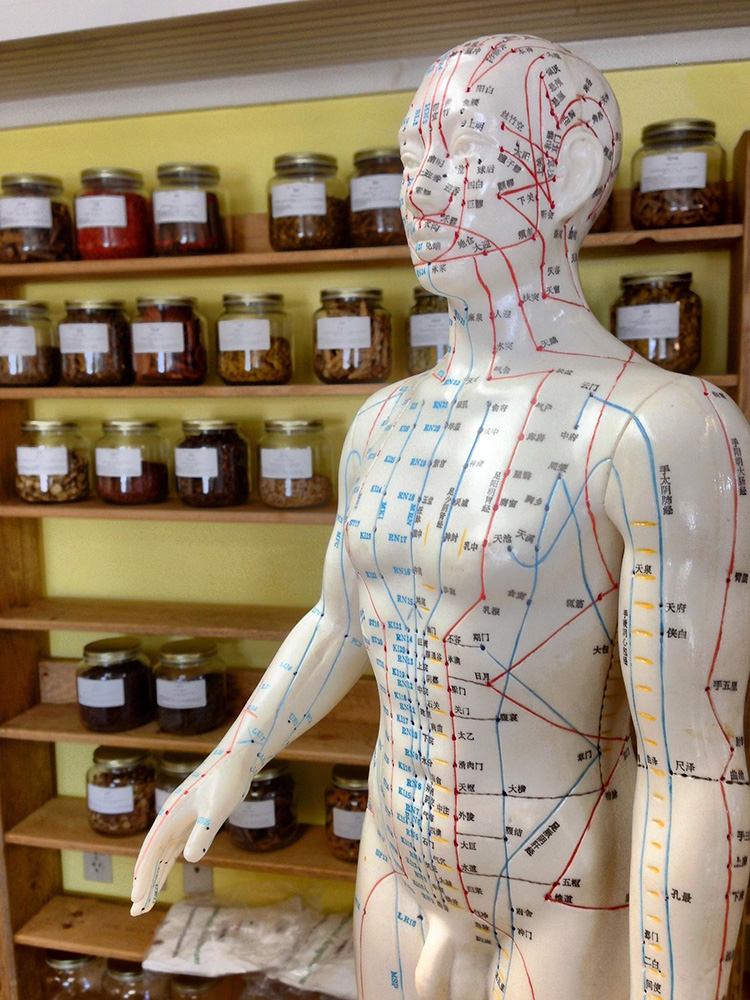
A 3D anatomy model is frequently used by educators and modern medical professionals to better understand how nutrition impacts various bodily regions. Doctors, students, and healthcare professionals may see how a healthy diet directly affects organs, muscles, bones, blood vessels, and even the brain by studying anatomy in three dimensions.

Nutrients Affect Your Anatomy

Certain nutrients are necessary for each component of your body to function correctly. The body finds it difficult to heal itself, fend off disease, and sustain vitality in the absence of a nutritious diet.
Why Diet and Healthy Eating Matter for Your Anatomy

Skeletal Health and Bones

Your entire body is supported and given structure by your skeleton. Strong bones and the avoidance of diseases like osteoporosis depend on calcium, vitamin D, magnesium, and phosphorus.

The following nutritious diets promote bone anatomy:

  • Dairy goods
  • Green vegetables with leaves
  • Seeds and nuts
  • Fish like sardines and salmon

It is simpler to comprehend how bones sustain and link the body when viewed through a 3D anatomy model. Physicians can show how these structures deteriorate over time due to poor diet.

Why Diet and Healthy Eating Matter for Your Anatomy  Milk

Muscles Require the Right Fuel

The body can move, maintain joint stability, and safeguard interior organs thanks to its muscles. Carbohydrates give muscles the energy they require to function, while protein is essential for both muscle growth and repair.

The following foods are beneficial to the health of muscles:

  • Meats that are lean
  • Eggs
  • Legumes and beans
  • Whole grains
  • Vegetables and fruits

Muscle weakness brought on by inadequate nutrition can result in exhaustion, bad posture, and a higher chance of injury.
Why Diet and Healthy Eating Matter for Your Anatomy  Eggs

The Nervous System and Brain

One of the body’s organs with the highest energy requirements is the brain. Antioxidants, vitamins, good fats, and omega-3 fatty acids all support normal brain function.

The following foods promote neurological anatomy:

  • Fish that is fatty
  • Blueberries with Avocados
  • Walnuts
  • Greens with dark leaves

Anatomical visualisations are frequently used by medical experts to illustrate how diet impacts brain tissue, blood flow, and nerve communication.

Health of the Heart and Circulatory System

Every second of every day, your heart pumps blood throughout your body. Heart disease, high blood pressure, and clogged arteries can all be caused by a bad diet heavy in processed foods, sugar, and harmful fats.

A diet that is heart-healthy should consist of:

  • Vegetables
  • Fruits
  • Whole grains
  • Good fats
  • Proteins that are lean

Patients can better understand how cholesterol accumulation and unhealthy eating habits impact blood arteries and heart function by using anatomical models to illustrate the circulatory system.

Nutrition and Digestive Anatomy

Nutrient absorption and food digestion are directly handled by the digestive system. While bad eating habits can cause inflammation and digestive issues, healthy eating promotes gut health and proper digestion.

Foods high in probiotics and fibre support a healthy digestive system, such as:

  • Vegetables with Yoghurt
  • Whole grains
  • Foods with fermentation
  • Fruits

Anatomical tools are widely used by physicians and nutritionists to describe how food passes through the digestive system and how nutrients are absorbed into the body.

How Physicians Teach Nutrition Using Anatomy Models

To explain the connection between nutrition and the human body, medical schools, hospitals, and educational institutions are depending more and more on sophisticated anatomical technology. Physicians and educators can graphically illustrate how a healthy diet affects various organs and systems by using a 3D Anatomy Model.

Students and patients can interactively study intricate structures rather than just reading about anatomy in textbooks. This facilitates comprehension of ideas like:

  • How organ function is supported by nutrition
  • Obesity’s consequences on anatomy
  • Building and repairing muscles
  • The body’s distribution of fat
  • Heart health
  • The function of the digestive system

People frequently have a better awareness of the importance of nutrition when they make the connection between healthy eating and actual anatomical features.

Eating Well Promotes Long-Term Wellness

One of the most significant investments you can make in your body is a healthy diet. Eating healthily encourages:

  • Increased vitality
  • Increased immunity
  • enhanced mental acuity
  • Improved physical performance
  • Quicker recuperation from sickness
  • decreased chance of developing chronic illness

Your body is always evolving and healing itself. Each meal you consume either aids or impedes these natural processes.
8 Immunity-Boosting Natural Foods

8 Immunity-Boosting Natural Foods - Citrus

Asking yourself how to improve your immune system? That’s a frequently asked question, since a healthy immune system is essential for preventing and coping with colds and infections. Immune systems are complicated, and although there’s not one food which can act as a fast fix, consuming a number of nutritious foods is the best method to guarantee you get the many vitamins and minerals required to support your immune health. Not surprisingly, fruits, vegetables, and nuts are common nutrient powerhouses. Listed here are 8 immune-boosting foods to include in your diet today:

Broccoli

Brocolli 1

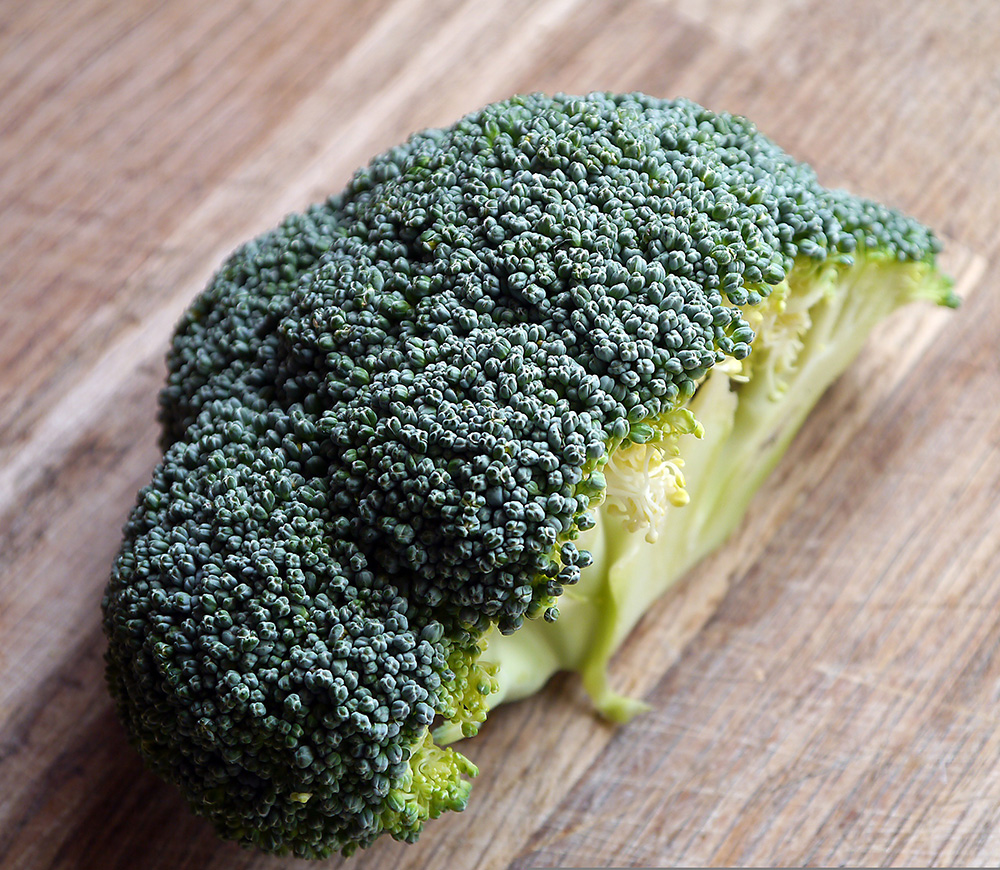
This green veggie originates from the cabbage family and provides a vitamin-fueled punch along with a mix off A, C, and E. They’re also packed with anti-oxidants and fiber. To keep nutrients intact, it’s advisable to eat it raw or steamed.

Serving Tip: Steam a few broccoli, and drizzle using a combination of 1 tbsp tahini, 1 tbsp olive oil, and 1 tsp maple syrup. Put a few slivered almonds (likewise an immune-boosting food!) and a few dried cherries to get a scrumptious side dish.

Almonds

As stated earlier, this tree nut is likewise an immune-boosting food. They are not only filled with powerful antioxidants, however they’re also among the best sources of vitamin E, and include protein and healthy fats.

Serving Tip: Have a little piece handy for afternoon treats; the fiber can help keep you full till the next meal, and the protein can provide an energy boost.

Citrus

8 Immunity-Boosting Natural Foods - Citrus

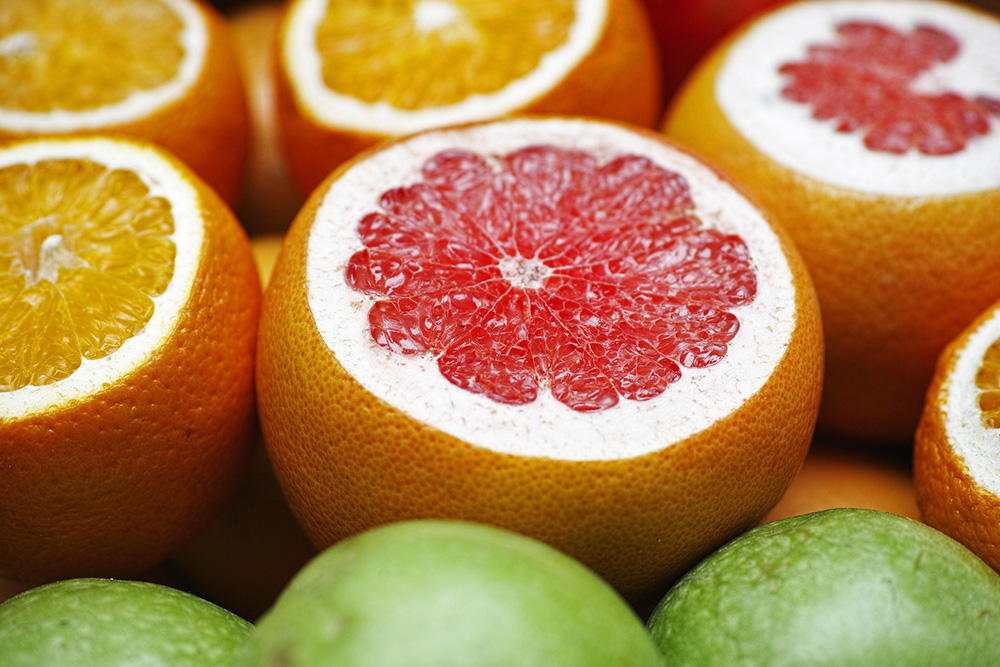
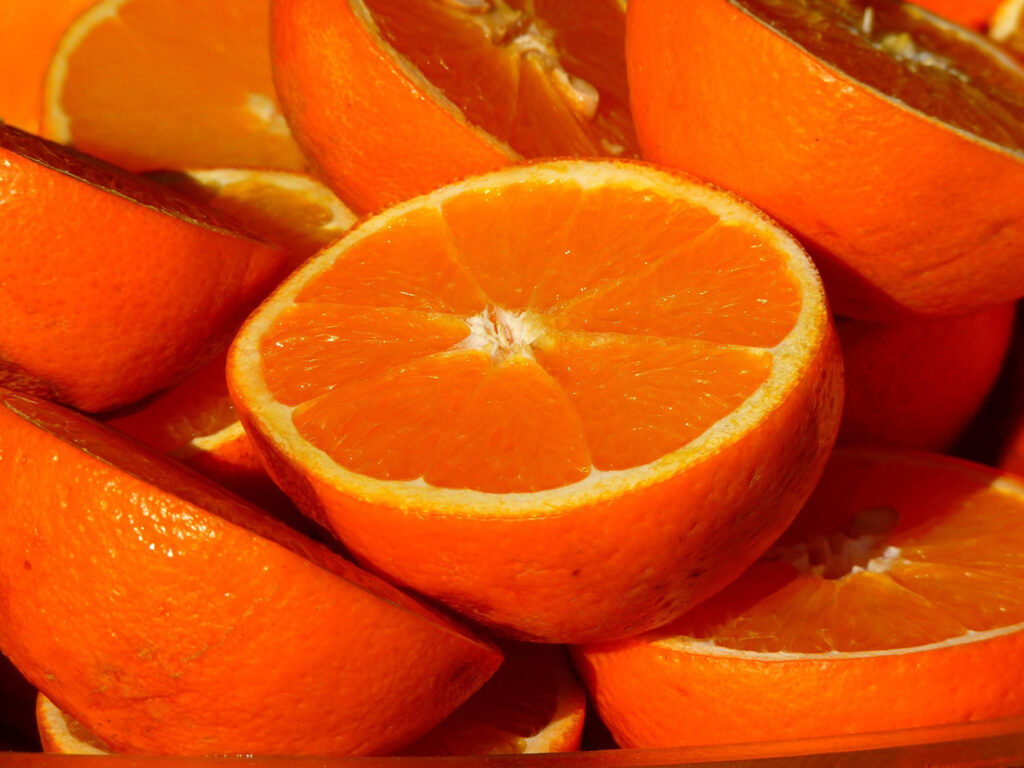
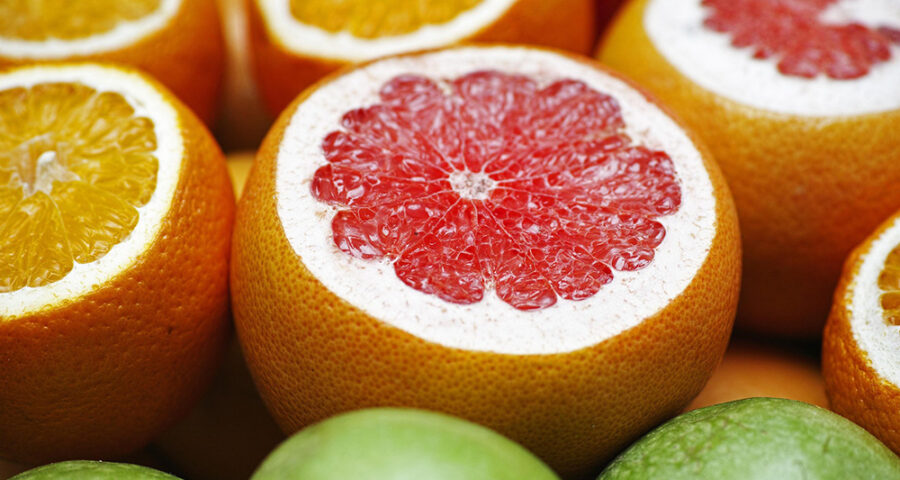
All kinds of citrus are great sources of vitamin C, which makes the white blood cells required to help combat infections. The body doesn’t produce or store vitamin C, thus it’s essential to obtain some every day from food or vitamin supplements. The fantastic thing about citrus is the great variety; with oranges, grapefruit, clementines, tangerines, lemons, and limes to pick from, you’ll find all types of ways to work them into your day-to-day regimen and never become bored.

Serving Tip: Mix your chosen citrus with a bit of coconut milk, spinach, and berries in the blender to produce a tasty, immune-supporting smoothie.

Red Bell Peppers

Talking of vitamin C, red peppers certainly are a fantastic source. You’d think orange peppers will be greater given their citrus-like color, but red has them beat. They are also rich in beta carotene, that the body turns into vitamin A and it is essential for healthy eyes and skin.

Serving Tip: Slice the top off a red pepper, remove the seeds, and stuff with your pick of rice, quinoa, meat, veggies, or whatever leftovers you might have in your refrigerator, and cook at 350F till tender.

Ginger

8 Immunity-Boosting Natural Foods - Ginger

Ginger isn’t just a flavourful spice but it might reduce inflammation in sore throats and cases of nausea.

Serving tip: Ginger candy can help settle upset stomachs, whilst hot water with ginger and lemon could reduce the irritation of the scratchy throat.

Turmeric

This vibrant yellow spice is usually seen in curry however can be utilized to put flavor to several kinds of dishes and teas. Turmeric consists of curcumin, that’s recognized for its anti-inflammatory and anti-bacterial properties.

Serving Tip: Consider golden milk! You’ll find numerous recipes online that contains either cow’s milk or nut milk, based on your own preference, and the other primary ingredients in golden milk are turmeric, ginger, cinnamon, black pepper, as well as sweetener. It’s typically served warm and is particularly nice to drink upon a chilly day.

Garlic

8 Immunity-Boosting Natural Foods - Garlic

Garlic not just offers a scrumptious kick to a number of dishes, but even early civilizations acknowledged its infection-fighting properties.

Serving Tip: Garlic works in almost everything from pasta sauce to stir-frys. For a serious garlic-heavy treat, cut the head of a garlic clove so the tops are displaying, drizzle with olive oil, and toast in the oven at 400F for around 40-50 minutes. Spread on a fresh new loaf of bread and delight in!

Spinach

Spinach is filled with vitamins C, A, and E, plus several anti-oxidants and beta carotene.

Serving Tip: Consume raw as the base of a salad along with almonds, red peppers, and orange pieces topped with a ginger-turmeric dressing to mix numerous immune-boosting foods into a single meal.

Best Foods for Eye Health

Best Foods for Eye Health Eggs

There are plenty of reasons for degeneration of eyesight however a healthy lifestyle could most likely minimize the risk of eye related conditions. The food we eat affects greatly our health. Keeping a healthy, well balanced diet will help in preventing a lot of illnesses away. You can find a few foods when eaten regularly, which is essential particularly for your eyes, have good effect on your eye health. A number of studies have proven that particular nutrients help maintain the eye health at the same time reduce the chance of age related eye-problems. A few eye-problems which can be avoided with the addition of proper foods are : dry eyes, macular degeneration, cataracts, glaucoma. Variety of nutrients and vitamins which help in good eye-health condition are : Vitamin A, C, E, omega-3 fatty acids, copper, zinc, lutein, and many others.

Just How Can the Food I Consume Affect My Eyes?

The eye consists of microscopic arteries, blood vessels, as well as nerves. Simply because your eyes are similar to the rest of your body, they depend on oxygen and a range of nutrients to work properly – a lot of which are naturally present in food. Having the nutrients which are required is simply the start. You have to act and eat these on a regular basis in order to enjoy the rewards of healthy eyes later in your life.

6 Best Nutrient-Rich Foods for Healthy Eyes

We will take a look at the six best nutrient-rich sources of foods which will enhance your eye health.

Best Foods for Eye Health Eggs
  1. Eggs

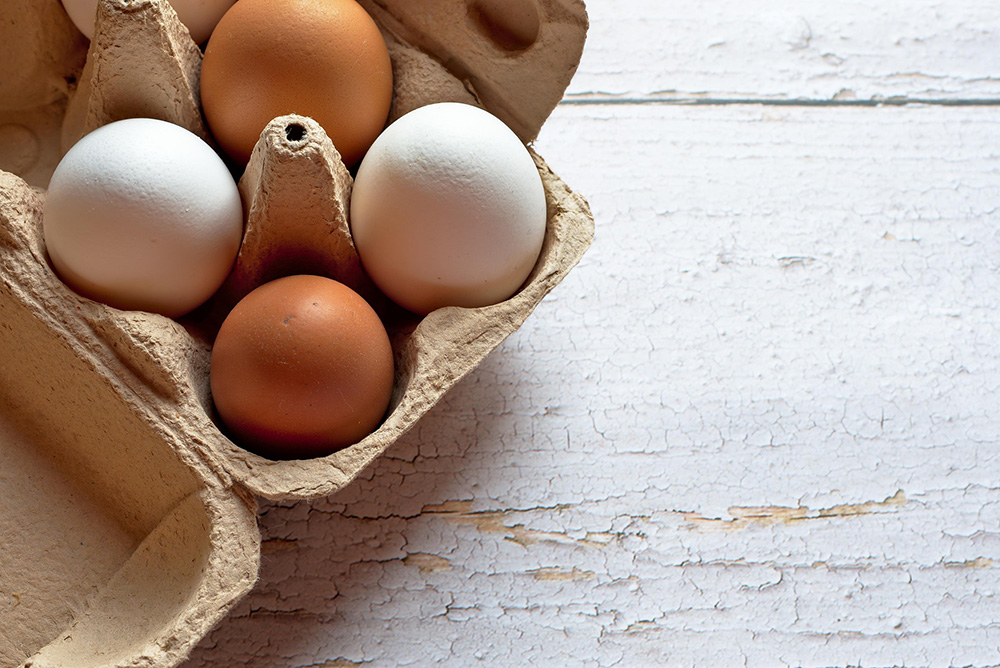
The egg yolk consists of vitamin A, zinc, lutein as well as zeaxanthin. All these nutrients are generally important to the eye health. Vitamin A helps to protect your cornea. Zinc improves the health of the retina. Zinc helps as well the eyes see clearly during the night. Lutein and zeaxanthin lessen the chance of serious eye conditions such as age-related macular degeneration as well as cataracts.

Best Foods for Eye Health Fish
  1. Fish

A few kinds of fish such as salmon, tuna, sardines, herring, anchovies are generally high sources of omega-3 essential fatty acids. They’re proven to give protection to the eyes coming from macular degeneration as well as dry eyes. As an alternative, if you don’t eat fish, you might include flaxseed oil or blackcurrant seed oil on your diet to acquire omega-3 fatty acids.

  1. Citrus Fruits

Vitamin C can be found in fruits such as lemons, oranges, grapefruits, and so on. They assist the blood vessels with your eyes stay healthy. Citrus fruits could actually help fight growth of cataracts. Individuals who take in oranges on a regular basis as a part of their diet are 60% more unlikely to be prone to macular degeneration.

  1. Carrots and Sweet Potatoes

Carrots are full of vitamin A and sweet potatoes are full of beta carotene as well as vitamin E. These highly impact the functioning of eyes.

  1. Nuts

Nuts include a higher level of vitamin E and are generally full of omega-3 fatty acids. Vitamin E is vital in guarding the eye coming from age-related damage. Cashew nuts, walnuts, peanuts, pistachios are great for eye health.

Best Foods for Eye Health - Legumes
  1. Legumes

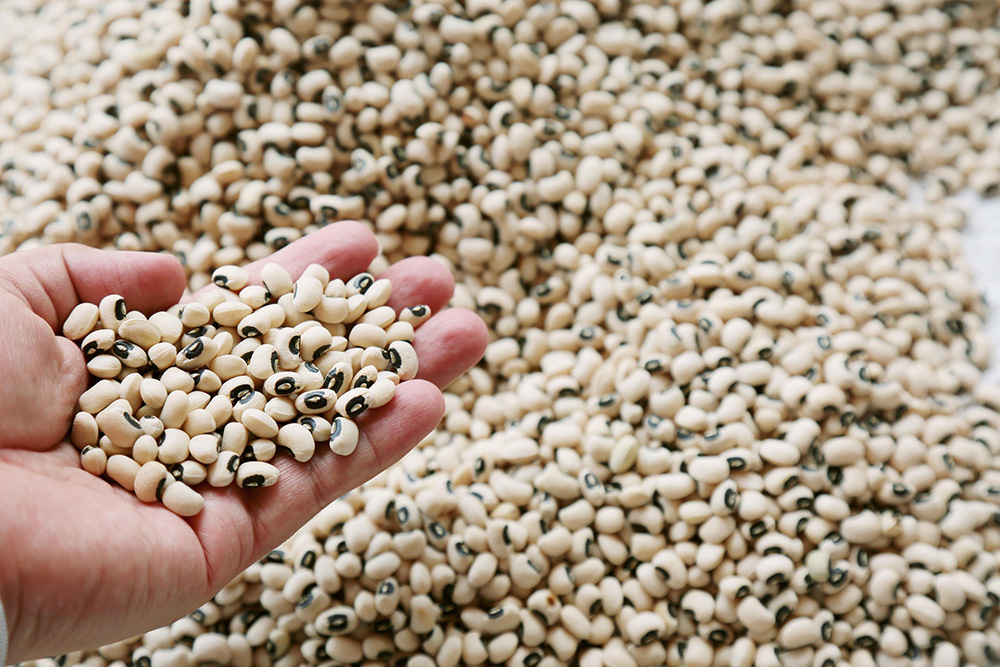
Kidney beans, black-eyed peas and lentils are great sources of zinc and bioflavonoids. They not just help look after the retina but also reduce the risk for macular degeneration as well as cataracts.

These types of food items are not hard-to-find or too much costly. It is very important to know about the nutrient quotient of particular foods as well as its effect on our body. The right diet will certainly go a long way. Eat well, be healthy.

Vitamin C: How Much and Which Sources Are Best for Boosting Immunity?

In the time of cold and flu season, we try to do all we could in order to stop illness or quicken how fast we recover from sickness. One particular method a lot of people implement is the use of Vitamin C for a natural treatment. A number of items are advertised as immune system boosters since they consist of huge amounts of Vitamin C. Do these items truly work? We decided to examine!

What Vitamin C Can Do for You

Vitamin C: How Much and Which Sources Are Best for Boosting Immunity

Vitamin C, also called ascorbic acid, is not made by our bodies. We must take in this vitamin around our diet. It’s necessary for not only immune function but also for these uses:

  • Form collagen (skin, tendons, ligaments, as well as blood vessels),
  • Repair and take care of bones and teeth
  • Heal wounds and form scar tissue
  • Help in iron absorption

It may also aid in preventing cancer being an anti-oxidant by blocking damage that we are subjected to from air pollution, cigarettes, as well as Ultra violet rays coming from the sun.

Vitamin C deficiency is extremely rare nowadays, then again during the mid-1700s scurvy in sailors was incredibly common. People at risk of low vitamin C absorption are smokers, people with health conditions that influence absorption (cancer cachexia), and people having little variety within their diets.

Just How Much Vitamin C Do You Require?

The suggested Dietary Allowance for men is 90 mg every day and 75 mg every day for women. Fruits and veggies are the best source of vitamin C-especially citrus fruits. It can be destroyed by heat, thus cooking a little bit minimizes your intake. Nevertheless, the majority of our best sources of vitamin C are ingested raw naturally, and we really don’t need to worry about it. To have a better idea of the way to meet your everyday requirement with food, listed here are the vitamin C contents of a few common vegetables and fruits which are good sources:

Red bell pepper (½ cup, raw): 95mg Orange, 1 medium: 70mg Green bell pepper, ½ cup raw: 60mg Broccoli, ½ cup cooked: 51mg Cantaloupe, ½ cup: 29mg In other words, you could skip the megadoses of Vitamin C in the pharmacy.

Can Vitamin C Treat or Prevent the Common Cold?

Vitamin C- How Much and Which Sources Are Best for Boosting Immunity 2 Blueberries

During the 1970s, research was launched that recommended Vitamin C can effectively treat or avoid the common cold. A number of studies since that time have been inconsistent and have ended in a few confusion and controversy. Up to now, the most powerful evidence arises from the 2007 study which demonstrated preventative treatment in the general population didn’t influence cold duration or symptom severity. Then again, on the trials concerning marathon runners, skiers, and soldiers subjected to intense physical exercise or cold environments everyday and also the elderly and smokers, there can be somewhat of a favorable effect. It was concluded that consuming Vitamin C following the beginning of illness didn’t seem to be beneficial. Moreover, at doses over 400mg, Vitamin C is excreted on the urine. An everyday dose in the 1000-2000mg range may cause upset stomach and diarrhea.

If you need the advantages of Vitamin C, it’s always best to take in the recommended Dietary Allowance daily, prior to the start of symptoms. Preferably, you’ll get Vitamin C from your food rather than a supplement; you’ll also obtain other essential nutrients apart from your Vitamin C. Make sure to make half of your plate fruits and vegetables at every meal or mix up a quick smoothie to have an easy on-the-go snack, cut peppers and dip in hummus, or request additional veggies on that sandwich, pizza, or salad.

What Can Magnesium Do for You and How Much Do You Need?

Magnesium is one of those quiet heroes in the world of nutrition. You don’t hear about it as often as calcium or vitamin C, yet it plays a role in over 300 biochemical reactions in your body. From energy production to muscle recovery, magnesium helps keep everything running smoothly. If you’ve ever wondered what this mineral does for you and how much you really need, here’s a clear breakdown.

Why Magnesium Matters

  • Supports Energy Production

Every cell in your body uses magnesium to produce energy. Without it, you might find yourself feeling sluggish or mentally drained.

  • Keeps Muscles and Nerves Functioning Properly

Magnesium is essential for muscle contraction and relaxation. It helps prevent cramping, twitching, and even supports heart rhythm regulation.

  • Boosts Bone Health

While calcium usually takes the spotlight, magnesium is just as important for maintaining strong, healthy bones. It helps regulate calcium absorption and plays a role in vitamin D activation.

  • Promotes Better Sleep and Stress Management

Many people turn to magnesium to support relaxation. It helps regulate neurotransmitters that calm the nervous system, which is why magnesium is often recommended for improving sleep quality.

  • Supports Heart Health

Adequate magnesium intake has been linked to lower risks of high blood pressure and cardiovascular issues.

How Much Magnesium Do You Need?

The recommended daily intake (RDI) depends on age, sex, and life stage. On average:

  • Adult men: 400–420 mg per day
  • Adult women: 310–320 mg per day
  • Pregnant women: about 350–360 mg per day

Most people don’t get enough magnesium from their diet, which can lead to deficiencies over time. Symptoms of low magnesium include fatigue, muscle cramps, mood changes, and poor sleep.

Where to Get Magnesium

You can get magnesium naturally from foods like:

  • Leafy greens (spinach, kale)
  • Nuts and seeds (almonds, pumpkin seeds)
  • Whole grains (brown rice, oats, quinoa)
  • Legumes (black beans, chickpeas, lentils)
  • Dark chocolate (yes, it counts!)

Supplements are also an option if your diet falls short, but it’s always best to check with a healthcare professional before starting one.

Magnesium may not get as much attention as some other nutrients, but it plays an essential role in your overall health. From energy to sleep, bones to heart health, it’s a mineral you don’t want to overlook. Focus on magnesium-rich foods and aim for your daily requirement to keep your body balanced and functioning at its best.

Counting Steps Is Good, but Is Combining Steps and Heart Rate Better?

For years, step counters have been the go-to measure of daily activity. “10,000 steps a day” has become a fitness mantra, and for good reason. Walking more supports cardiovascular health, helps manage weight, and boosts mood. But steps alone only tell part of the story. Newer wearables now track not just how much you move, but how hard your body is working. That’s where heart rate data comes in.

Why Steps Matter

Counting steps is simple, motivating, and effective for increasing daily movement. It’s a quick way to make sure you’re not sitting too much, and it encourages habits like walking instead of driving short distances or taking the stairs. For beginners especially, step counts are a great entry point to healthier living.

Where Steps Fall Short

The issue with step counts is that they don’t measure intensity. A slow stroll and a brisk walk may look similar in step numbers, but the benefits to your heart, lungs, and metabolism are very different. For someone aiming to improve cardiovascular fitness or burn calories, step totals can sometimes be misleading.

The Role of Heart Rate

Heart rate monitoring gives a clearer picture of exertion. It shows whether your body is in a fat-burning zone, building endurance, or pushing toward high-intensity training. Even if you don’t hit a certain step goal, reaching and maintaining target heart rate zones can have major health benefits.

Why Combining the Two Works Best

When you track both steps and heart rate, you get the most complete picture of your activity. Steps tell you how much you’re moving. Heart rate shows how effectively your body is working during that movement. Together, they can help you:

  • Balance activity volume with intensity
  • Ensure workouts are challenging enough but not overdone
  • Measure progress more accurately than steps alone
  • Tailor activity to specific goals, whether weight loss, endurance, or overall fitness
  • The Bottom Line

Counting steps is a solid foundation for healthier living, but it isn’t the whole picture. Pairing steps with heart rate monitoring gives deeper insights, helping you move not just more, but smarter. The next time you glance at your fitness tracker, look beyond the step count. Your heart might have more to say.

Think Your Child Has ADHD? What Your Pediatrician Can Do

As a parent, it can be worrying when your child struggles to focus, seems unusually hyperactive, or has difficulty following through on tasks. Many parents wonder, Could this be ADHD? While it’s natural to be concerned, the good news is that your pediatrician is the first and best place to start if you suspect your child may have Attention-Deficit/Hyperactivity Disorder.

Recognizing the Signs

Children with ADHD often show patterns of inattention, hyperactivity, and impulsivity that are stronger or more frequent than what’s typically expected for their age. Common signs include:

  • Difficulty concentrating on homework or tasks
  • Constant fidgeting or restlessness
  • Trouble waiting their turn or controlling impulses
  • Forgetfulness or frequent daydreaming
  • Emotional ups and downs

It’s important to remember that many children show these behaviors at times. Your pediatrician can help determine whether these patterns are part of normal development or something more.

How Your Pediatrician Can Help

When you bring your concerns to a pediatrician, they can:

1. Listen to Your Concerns

The first step is sharing what you’ve noticed. Pediatricians take parent and teacher observations seriously, since ADHD often shows up in more than one setting, such as school and home.

2. Rule Out Other Causes

Sometimes difficulties with attention or behavior are linked to sleep problems, vision or hearing issues, anxiety, or even diet. Your pediatrician will consider these before moving forward.

3. Use Screening Tools

Pediatricians often use standardized questionnaires and rating scales, filled out by parents and teachers, to get a clearer picture of your child’s behavior compared to other children of the same age.

4. Provide a Referral if Needed

If ADHD seems likely, your pediatrician may refer you to a child psychologist, psychiatrist, or developmental specialist for further evaluation. In some cases, pediatricians themselves make the diagnosis.

5. Create a Treatment Plan

If a diagnosis is confirmed, your pediatrician will work with you to develop a treatment plan. This may include:

  • Behavior therapy or parent training programs
  • Support at school, such as an Individualized Education Plan (IEP)
  • Lifestyle adjustments, including sleep routines, physical activity, and nutrition
  • Medication, if appropriate and carefully monitored

Why Early Action Matters

Addressing ADHD early can make a big difference in your child’s life. With the right support, children with ADHD can thrive at school, build confidence, and develop strong coping skills.

If you think your child may have ADHD, don’t wait and wonder. Reach out to your pediatrician. They can guide you through the process, connect you with resources, and help your child get the support they need to succeed.