
Why Diet and Healthy Eating Matter for Your Anatomy

Why Diet and Healthy Eating Matter for Your Anatomy

The human body is an amazing system of interrelated muscles, bones, organs, nerves, and tissues that cooperate to maintain your health and good operation. A healthy diet is essential for every action you take, breath you take, and heartbeat you have. Healthy food and diet are about supporting your anatomy on all levels, not only about keeping your weight stable.

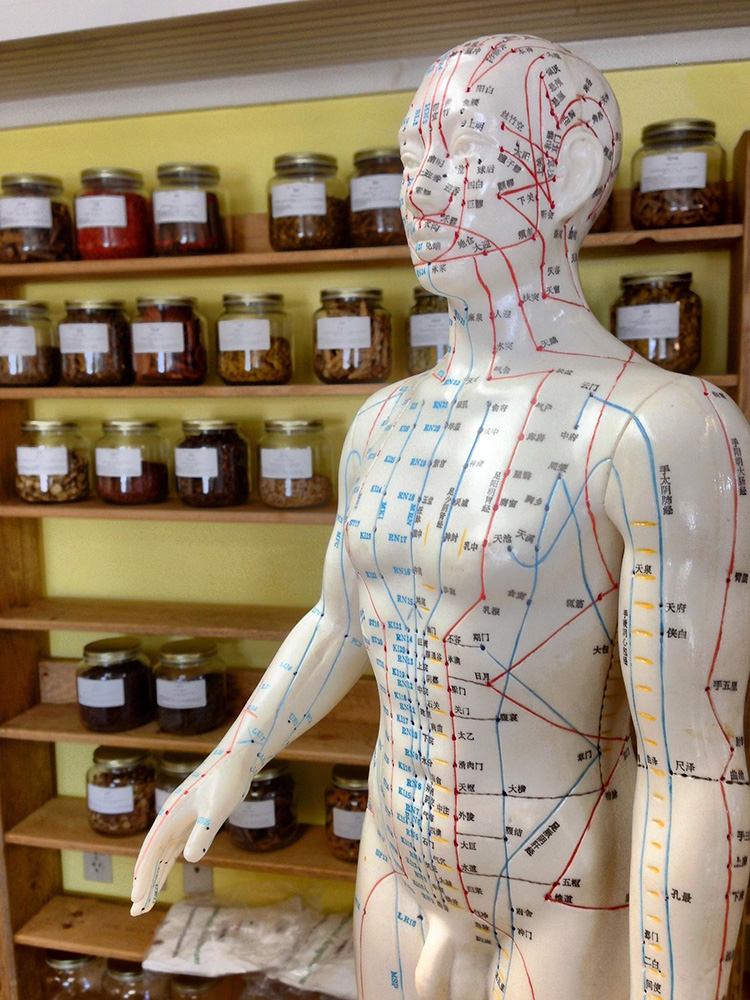
A 3D anatomy model is frequently used by educators and modern medical professionals to better understand how nutrition impacts various bodily regions. Doctors, students, and healthcare professionals may see how a healthy diet directly affects organs, muscles, bones, blood vessels, and even the brain by studying anatomy in three dimensions.

Nutrients Affect Your Anatomy

Certain nutrients are necessary for each component of your body to function correctly. The body finds it difficult to heal itself, fend off disease, and sustain vitality in the absence of a nutritious diet.
Why Diet and Healthy Eating Matter for Your Anatomy

Skeletal Health and Bones

Your entire body is supported and given structure by your skeleton. Strong bones and the avoidance of diseases like osteoporosis depend on calcium, vitamin D, magnesium, and phosphorus.

The following nutritious diets promote bone anatomy:

  • Dairy goods
  • Green vegetables with leaves
  • Seeds and nuts
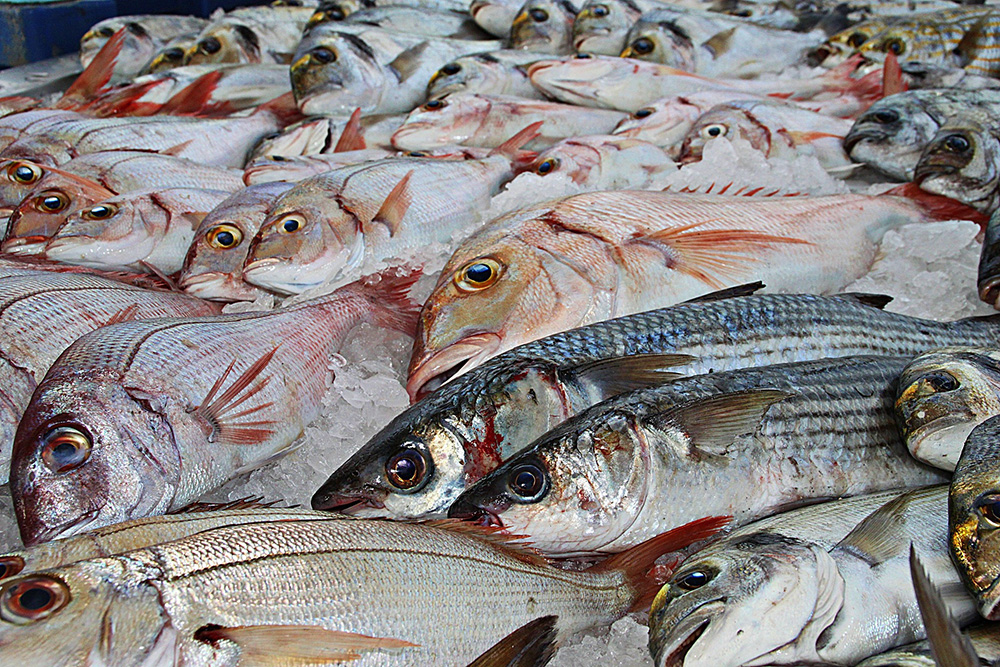
  • Fish like sardines and salmon

It is simpler to comprehend how bones sustain and link the body when viewed through a 3D anatomy model. Physicians can show how these structures deteriorate over time due to poor diet.
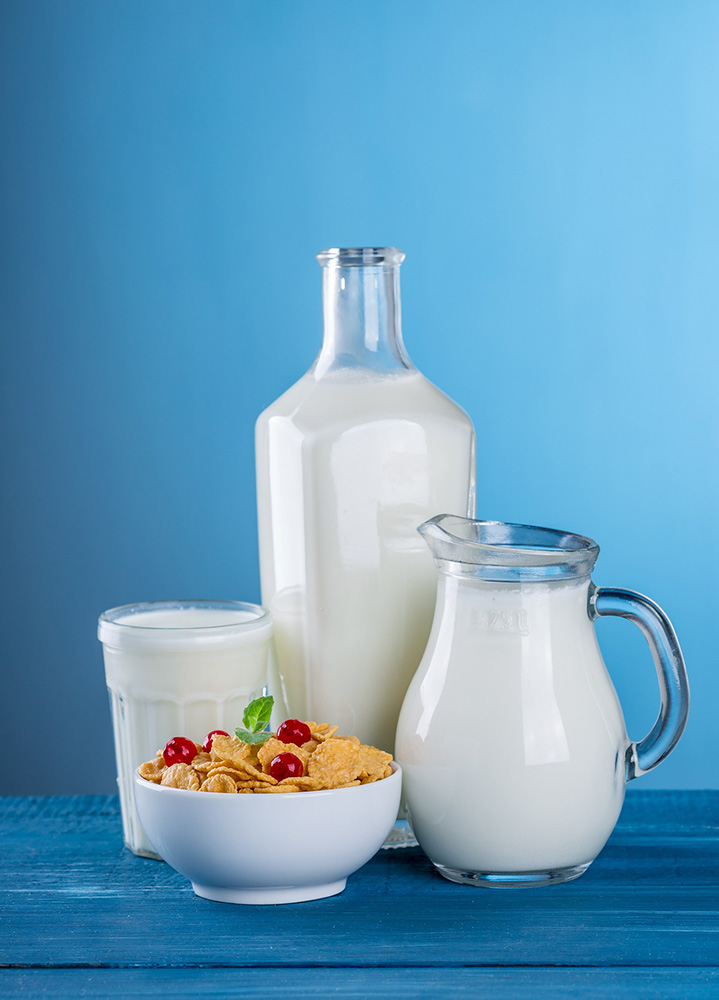
Why Diet and Healthy Eating Matter for Your Anatomy  Milk

Muscles Require the Right Fuel

The body can move, maintain joint stability, and safeguard interior organs thanks to its muscles. Carbohydrates give muscles the energy they require to function, while protein is essential for both muscle growth and repair.

The following foods are beneficial to the health of muscles:

  • Meats that are lean
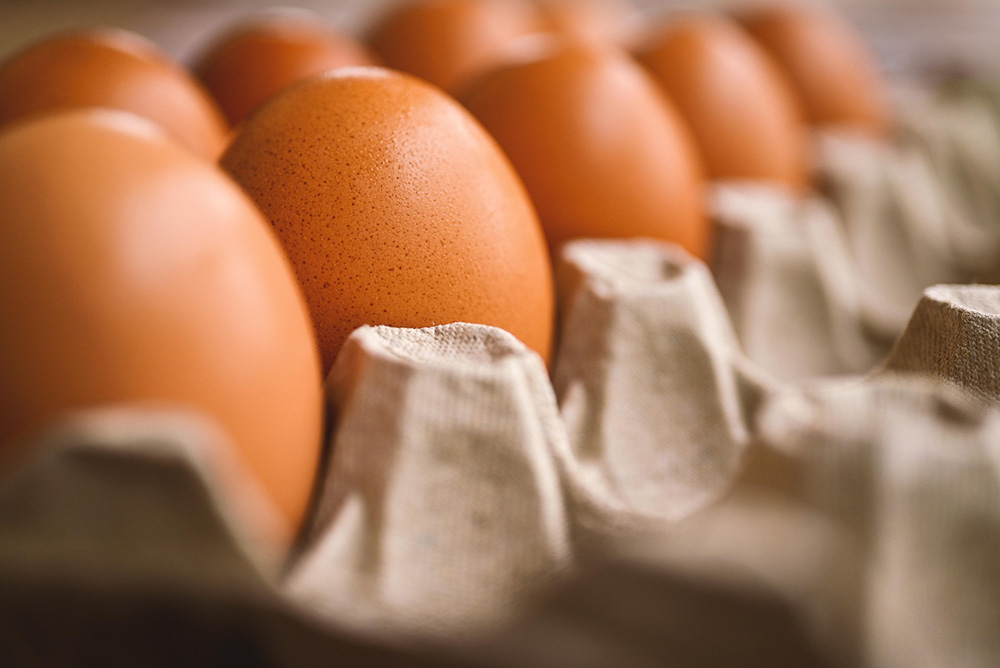
  • Eggs
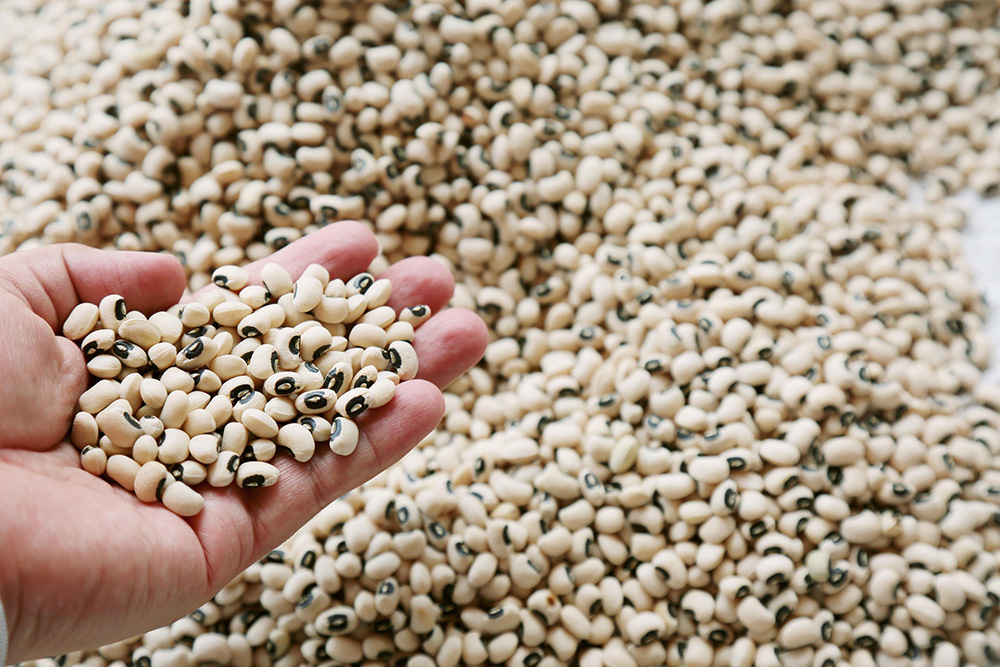
  • Legumes and beans
  • Whole grains
  • Vegetables and fruits

Muscle weakness brought on by inadequate nutrition can result in exhaustion, bad posture, and a higher chance of injury.
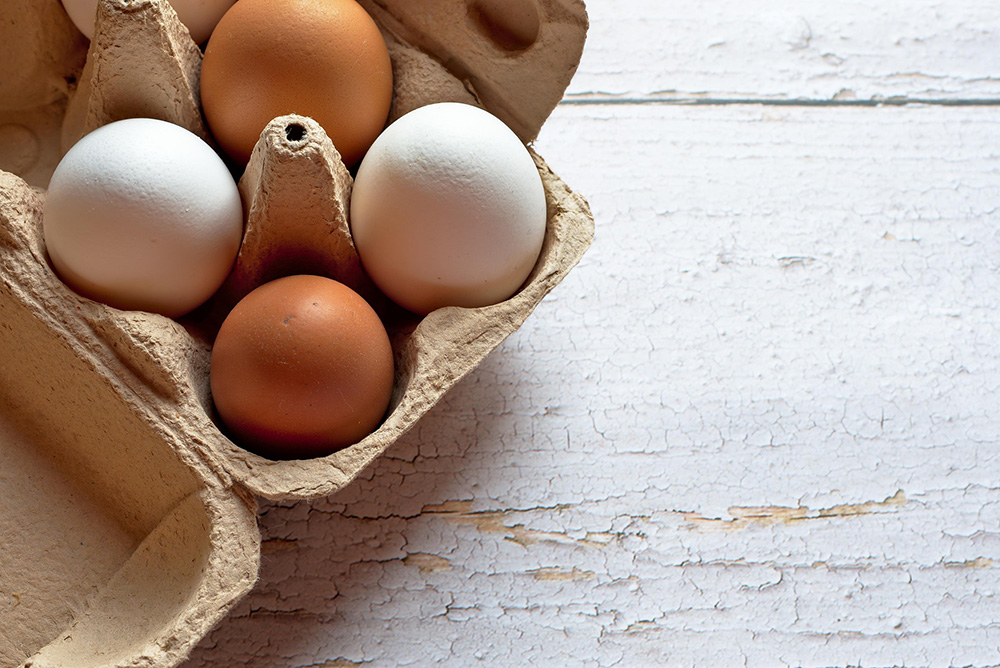
Why Diet and Healthy Eating Matter for Your Anatomy  Eggs

The Nervous System and Brain

One of the body’s organs with the highest energy requirements is the brain. Antioxidants, vitamins, good fats, and omega-3 fatty acids all support normal brain function.

The following foods promote neurological anatomy:

  • Fish that is fatty
  • Blueberries with Avocados
  • Walnuts
  • Greens with dark leaves

Anatomical visualisations are frequently used by medical experts to illustrate how diet impacts brain tissue, blood flow, and nerve communication.

Health of the Heart and Circulatory System

Every second of every day, your heart pumps blood throughout your body. Heart disease, high blood pressure, and clogged arteries can all be caused by a bad diet heavy in processed foods, sugar, and harmful fats.

A diet that is heart-healthy should consist of:

  • Vegetables
  • Fruits
  • Whole grains
  • Good fats
  • Proteins that are lean

Patients can better understand how cholesterol accumulation and unhealthy eating habits impact blood arteries and heart function by using anatomical models to illustrate the circulatory system.

Nutrition and Digestive Anatomy

Nutrient absorption and food digestion are directly handled by the digestive system. While bad eating habits can cause inflammation and digestive issues, healthy eating promotes gut health and proper digestion.

Foods high in probiotics and fibre support a healthy digestive system, such as:

  • Vegetables with Yoghurt
  • Whole grains
  • Foods with fermentation
  • Fruits

Anatomical tools are widely used by physicians and nutritionists to describe how food passes through the digestive system and how nutrients are absorbed into the body.

How Physicians Teach Nutrition Using Anatomy Models

To explain the connection between nutrition and the human body, medical schools, hospitals, and educational institutions are depending more and more on sophisticated anatomical technology. Physicians and educators can graphically illustrate how a healthy diet affects various organs and systems by using a 3D Anatomy Model.

Students and patients can interactively study intricate structures rather than just reading about anatomy in textbooks. This facilitates comprehension of ideas like:

  • How organ function is supported by nutrition
  • Obesity’s consequences on anatomy
  • Building and repairing muscles
  • The body’s distribution of fat
  • Heart health
  • The function of the digestive system

People frequently have a better awareness of the importance of nutrition when they make the connection between healthy eating and actual anatomical features.

Eating Well Promotes Long-Term Wellness

One of the most significant investments you can make in your body is a healthy diet. Eating healthily encourages:

  • Increased vitality
  • Increased immunity
  • enhanced mental acuity
  • Improved physical performance
  • Quicker recuperation from sickness
  • decreased chance of developing chronic illness

Your body is always evolving and healing itself. Each meal you consume either aids or impedes these natural processes.
8 Immunity-Boosting Natural Foods

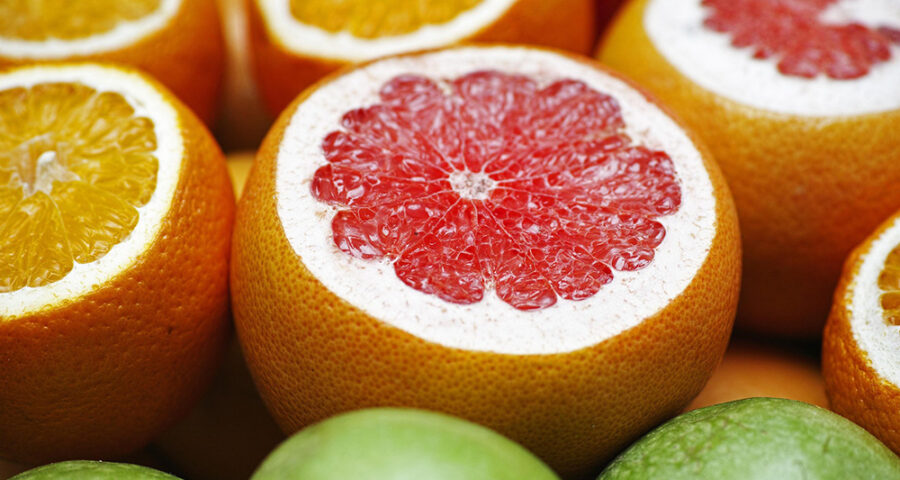
8 Immunity-Boosting Natural Foods - Citrus

Asking yourself how to improve your immune system? That’s a frequently asked question, since a healthy immune system is essential for preventing and coping with colds and infections. Immune systems are complicated, and although there’s not one food which can act as a fast fix, consuming a number of nutritious foods is the best method to guarantee you get the many vitamins and minerals required to support your immune health. Not surprisingly, fruits, vegetables, and nuts are common nutrient powerhouses. Listed here are 8 immune-boosting foods to include in your diet today:

Broccoli

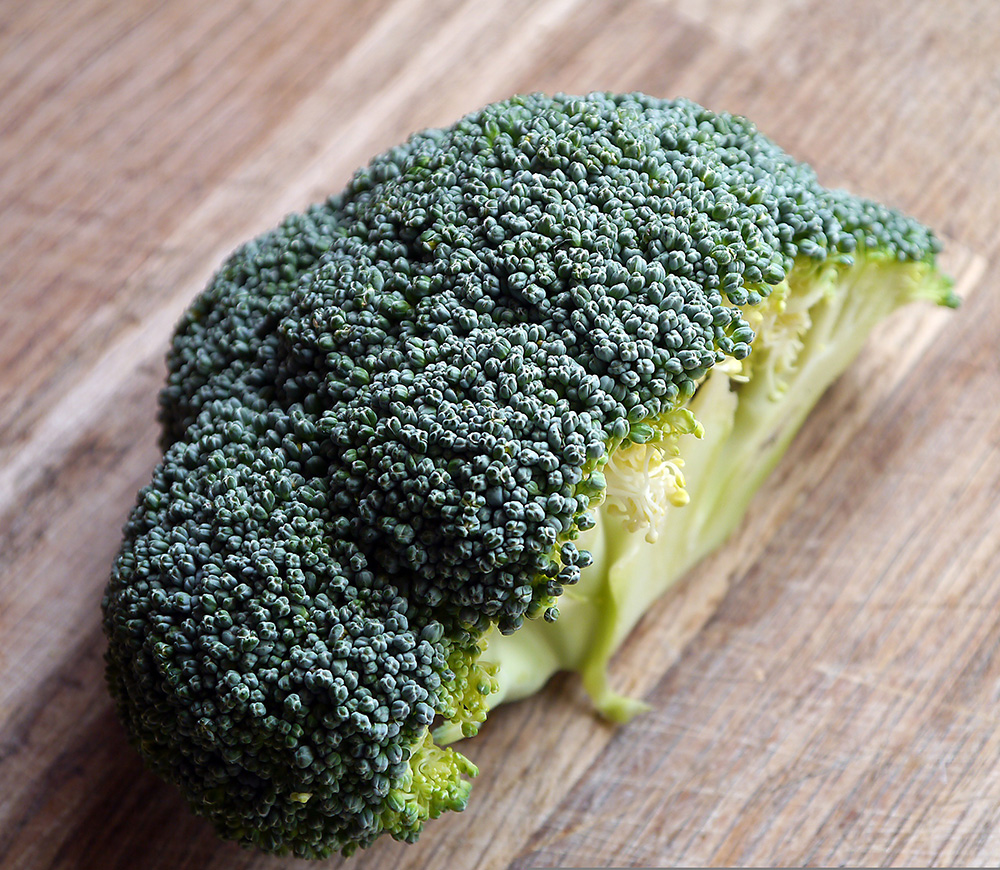
Brocolli 1

This green veggie originates from the cabbage family and provides a vitamin-fueled punch along with a mix off A, C, and E. They’re also packed with anti-oxidants and fiber. To keep nutrients intact, it’s advisable to eat it raw or steamed.

Serving Tip: Steam a few broccoli, and drizzle using a combination of 1 tbsp tahini, 1 tbsp olive oil, and 1 tsp maple syrup. Put a few slivered almonds (likewise an immune-boosting food!) and a few dried cherries to get a scrumptious side dish.

Almonds

As stated earlier, this tree nut is likewise an immune-boosting food. They are not only filled with powerful antioxidants, however they’re also among the best sources of vitamin E, and include protein and healthy fats.

Serving Tip: Have a little piece handy for afternoon treats; the fiber can help keep you full till the next meal, and the protein can provide an energy boost.

Citrus

8 Immunity-Boosting Natural Foods - Citrus

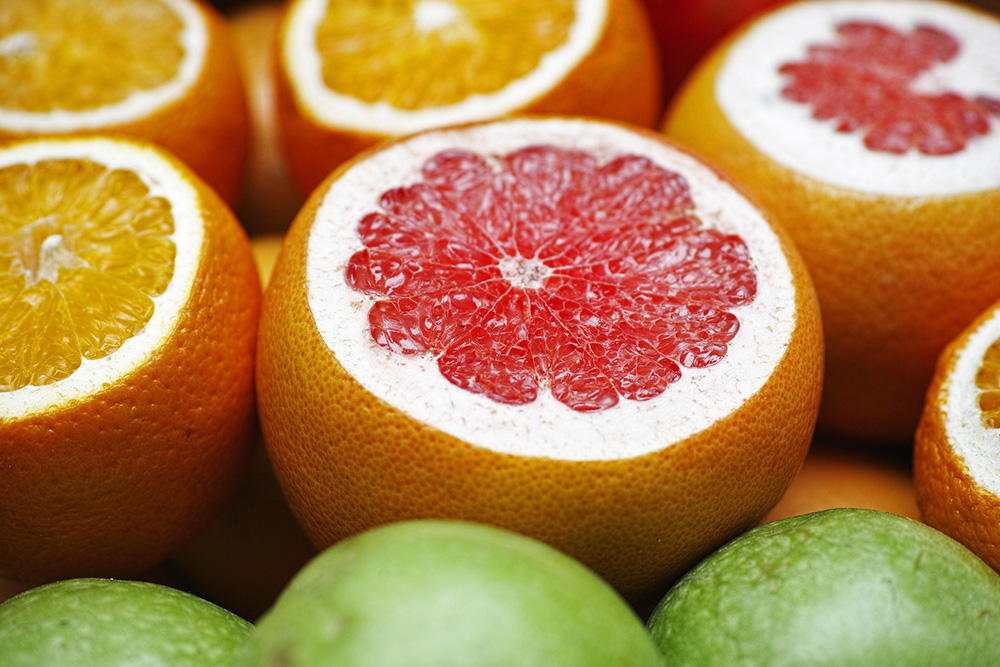
All kinds of citrus are great sources of vitamin C, which makes the white blood cells required to help combat infections. The body doesn’t produce or store vitamin C, thus it’s essential to obtain some every day from food or vitamin supplements. The fantastic thing about citrus is the great variety; with oranges, grapefruit, clementines, tangerines, lemons, and limes to pick from, you’ll find all types of ways to work them into your day-to-day regimen and never become bored.

Serving Tip: Mix your chosen citrus with a bit of coconut milk, spinach, and berries in the blender to produce a tasty, immune-supporting smoothie.

Red Bell Peppers

Talking of vitamin C, red peppers certainly are a fantastic source. You’d think orange peppers will be greater given their citrus-like color, but red has them beat. They are also rich in beta carotene, that the body turns into vitamin A and it is essential for healthy eyes and skin.

Serving Tip: Slice the top off a red pepper, remove the seeds, and stuff with your pick of rice, quinoa, meat, veggies, or whatever leftovers you might have in your refrigerator, and cook at 350F till tender.

Ginger

8 Immunity-Boosting Natural Foods - Ginger

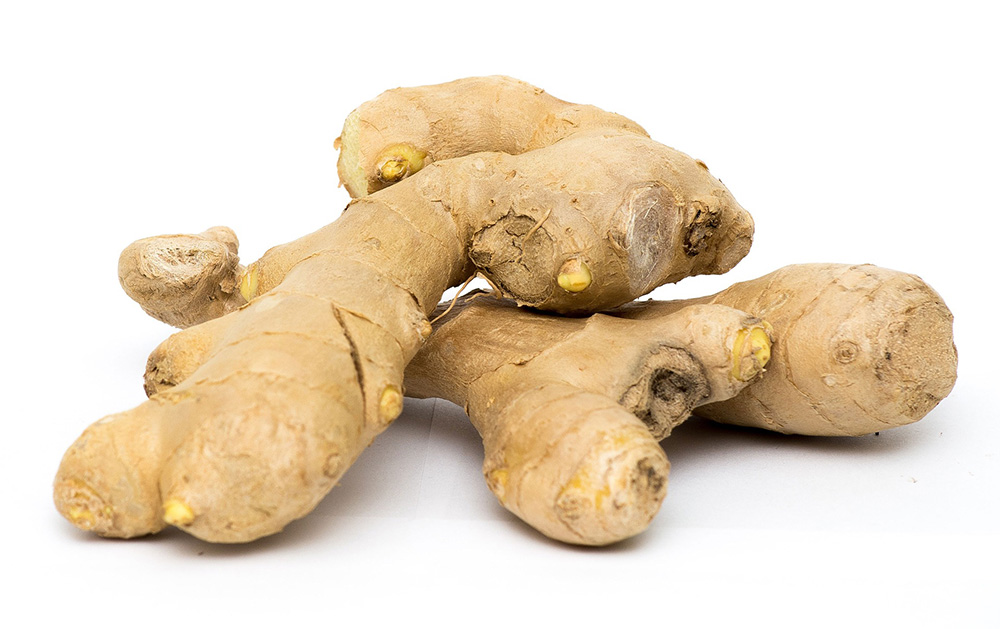
Ginger isn’t just a flavourful spice but it might reduce inflammation in sore throats and cases of nausea.

Serving tip: Ginger candy can help settle upset stomachs, whilst hot water with ginger and lemon could reduce the irritation of the scratchy throat.

Turmeric

This vibrant yellow spice is usually seen in curry however can be utilized to put flavor to several kinds of dishes and teas. Turmeric consists of curcumin, that’s recognized for its anti-inflammatory and anti-bacterial properties.

Serving Tip: Consider golden milk! You’ll find numerous recipes online that contains either cow’s milk or nut milk, based on your own preference, and the other primary ingredients in golden milk are turmeric, ginger, cinnamon, black pepper, as well as sweetener. It’s typically served warm and is particularly nice to drink upon a chilly day.

Garlic

8 Immunity-Boosting Natural Foods - Garlic

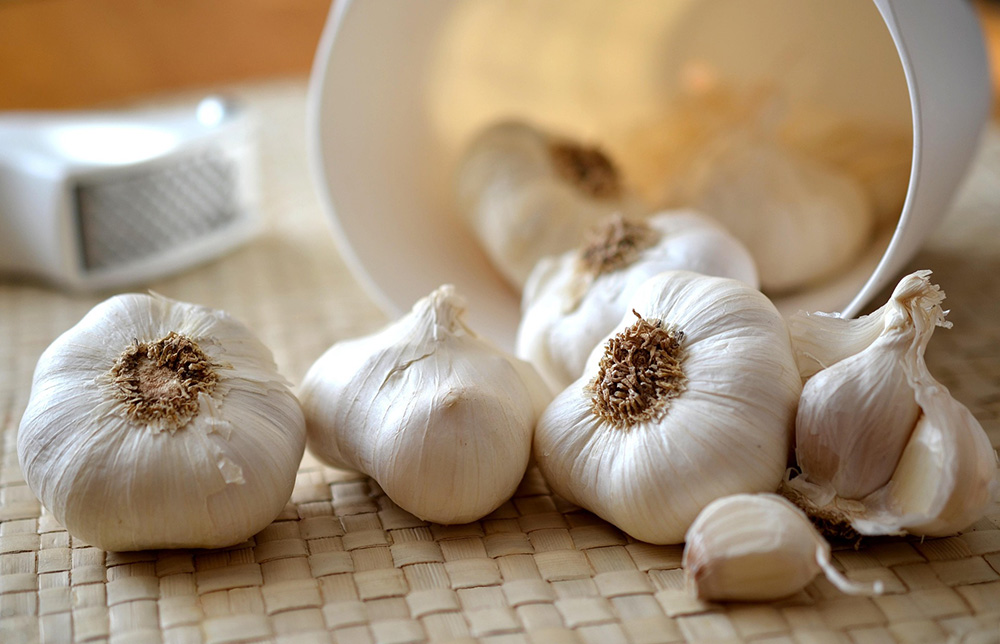
Garlic not just offers a scrumptious kick to a number of dishes, but even early civilizations acknowledged its infection-fighting properties.

Serving Tip: Garlic works in almost everything from pasta sauce to stir-frys. For a serious garlic-heavy treat, cut the head of a garlic clove so the tops are displaying, drizzle with olive oil, and toast in the oven at 400F for around 40-50 minutes. Spread on a fresh new loaf of bread and delight in!

Spinach

Spinach is filled with vitamins C, A, and E, plus several anti-oxidants and beta carotene.

Serving Tip: Consume raw as the base of a salad along with almonds, red peppers, and orange pieces topped with a ginger-turmeric dressing to mix numerous immune-boosting foods into a single meal.

Best Foods for Eye Health

Best Foods for Eye Health Eggs

There are plenty of reasons for degeneration of eyesight however a healthy lifestyle could most likely minimize the risk of eye related conditions. The food we eat affects greatly our health. Keeping a healthy, well balanced diet will help in preventing a lot of illnesses away. You can find a few foods when eaten regularly, which is essential particularly for your eyes, have good effect on your eye health. A number of studies have proven that particular nutrients help maintain the eye health at the same time reduce the chance of age related eye-problems. A few eye-problems which can be avoided with the addition of proper foods are : dry eyes, macular degeneration, cataracts, glaucoma. Variety of nutrients and vitamins which help in good eye-health condition are : Vitamin A, C, E, omega-3 fatty acids, copper, zinc, lutein, and many others.

Just How Can the Food I Consume Affect My Eyes?

The eye consists of microscopic arteries, blood vessels, as well as nerves. Simply because your eyes are similar to the rest of your body, they depend on oxygen and a range of nutrients to work properly – a lot of which are naturally present in food. Having the nutrients which are required is simply the start. You have to act and eat these on a regular basis in order to enjoy the rewards of healthy eyes later in your life.

6 Best Nutrient-Rich Foods for Healthy Eyes

We will take a look at the six best nutrient-rich sources of foods which will enhance your eye health.

Best Foods for Eye Health Eggs
  1. Eggs

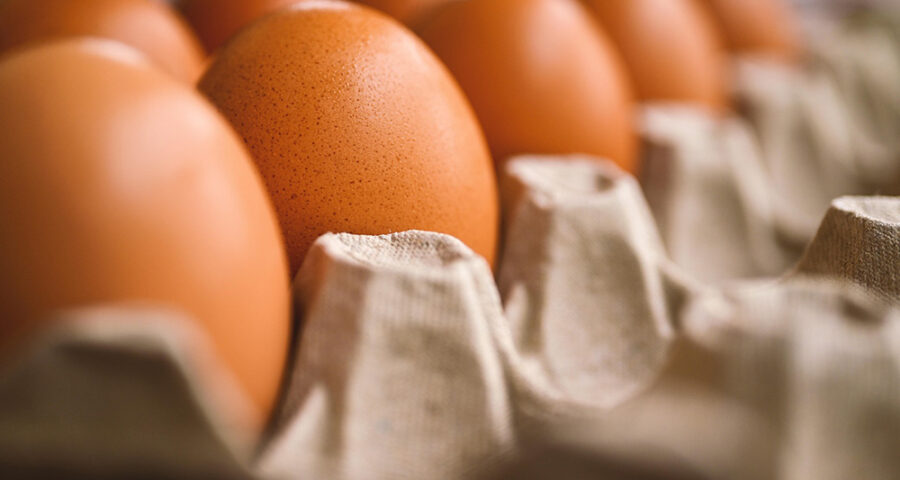
The egg yolk consists of vitamin A, zinc, lutein as well as zeaxanthin. All these nutrients are generally important to the eye health. Vitamin A helps to protect your cornea. Zinc improves the health of the retina. Zinc helps as well the eyes see clearly during the night. Lutein and zeaxanthin lessen the chance of serious eye conditions such as age-related macular degeneration as well as cataracts.

Best Foods for Eye Health Fish
  1. Fish

A few kinds of fish such as salmon, tuna, sardines, herring, anchovies are generally high sources of omega-3 essential fatty acids. They’re proven to give protection to the eyes coming from macular degeneration as well as dry eyes. As an alternative, if you don’t eat fish, you might include flaxseed oil or blackcurrant seed oil on your diet to acquire omega-3 fatty acids.

  1. Citrus Fruits

Vitamin C can be found in fruits such as lemons, oranges, grapefruits, and so on. They assist the blood vessels with your eyes stay healthy. Citrus fruits could actually help fight growth of cataracts. Individuals who take in oranges on a regular basis as a part of their diet are 60% more unlikely to be prone to macular degeneration.

  1. Carrots and Sweet Potatoes

Carrots are full of vitamin A and sweet potatoes are full of beta carotene as well as vitamin E. These highly impact the functioning of eyes.

  1. Nuts

Nuts include a higher level of vitamin E and are generally full of omega-3 fatty acids. Vitamin E is vital in guarding the eye coming from age-related damage. Cashew nuts, walnuts, peanuts, pistachios are great for eye health.

Best Foods for Eye Health - Legumes
  1. Legumes

Kidney beans, black-eyed peas and lentils are great sources of zinc and bioflavonoids. They not just help look after the retina but also reduce the risk for macular degeneration as well as cataracts.

These types of food items are not hard-to-find or too much costly. It is very important to know about the nutrient quotient of particular foods as well as its effect on our body. The right diet will certainly go a long way. Eat well, be healthy.